

When businesses reach out to us for video production in Montreal, their goal is almost always to build trust with their audience.
While polished commercials and brand films can look great, nothing builds trust faster than a genuine client testimonial. But simply pointing a camera at a happy customer isn’t enough.
Testimonial videos let your happiest customers tell your story—and that story often persuades prospects faster than ads or specs. When done right, video testimonials become a powerful way to positively influence buying decisions.
This guide walks you, step by step, through planning, production, editing, and distribution so your customer videos feel authentic, look polished, and move the needle.
Read on to learn why testimonials work, how to find and interview the right people, production best practices, simple editing techniques, and where to share the finished videos for maximum impact.
Why Testimonial Videos Matter for Business Growth
Testimonial videos build trust by putting real customers — not brand claims — at the center of your message.
Seeing someone explain how your product solved a problem or improved their day creates persuasive social proof that influences buying decisions more effectively than many traditional formats.
Research consistently shows the power of social proof. Studies from the Spiegel Research Center found that displaying as few as five customer reviews can increase conversion rates by up to 270%. When those reviews are presented in video form, the impact is even stronger thanks to emotion, tone, and human presence.
What Advantages Do Customer Video Testimonials Offer?
Customer video testimonials deliver measurable benefits that strengthen your marketing and sales efforts:
Increased Conversion Rates
Hearing relatable success stories makes prospects more likely to buy. Seeing real customers explain how a problem was solved reduces perceived risk and helps viewers feel confident in their decision.
Enhanced Brand Loyalty
Featuring customer voices creates a stronger emotional connection with your audience and encourages long-term trust and repeat business.
Improved SEO
Video content increases time on site and provides fresh, engaging material that search engines value. Testimonial videos also create opportunities for captions, transcripts, and internal linking.
Video is also an opportunity to send explicit local SEO signals. Titles, descriptions, and transcripts can include location-based terms, and platforms like YouTube allow you to set a geographic location for each video, reinforcing relevance for local search results.
Increased Engagement
Video engages both sight and sound, making it far more immersive than text alone. According to Wyzowl, 44% of consumers prefer learning about a product or service through video, compared to just 13% who prefer text and 6% who prefer sales calls. This multi-sensory engagement makes testimonial videos easier to remember and more persuasive.
How Do Testimonial Videos Create Trust and Social Proof?
Testimonial videos show real people describing real outcomes, which signals authenticity. When viewers see a customer overcome a challenge with your product, they relate to the journey — and that relatability builds confidence in your brand.
Written reviews can be fabricated, and consumers are increasingly aware of this. In 2022 alone, Google blocked or removed over 115 million policy-violating reviews.
Video testimonials are harder to fake and easier to assess for sincerity, which makes them one of the most credible forms of social proof.
How to Plan Your Testimonial Video Strategy for Maximum Impact

A clear strategy makes your testimonial program scalable and consistent. Define goals, define your target audience, select the right customers, and map distribution before you pick up a camera — that planning will save time and deliver stronger results.
How Do You Identify the Right Customers for Video Testimonials?
Choose participants who can speak credibly and vividly about your product. Use these criteria as a guide:
Customer Satisfaction Levels: Feature customers who report clear, positive outcomes.
Diversity of Customer Experiences: Highlight different industries, use cases, or company sizes to show breadth.
Willingness to Participate: Pick people who are comfortable on camera and eager to share their story.
This mix ensures your testimonial library reflects real-world value across customer types.
Beyond general satisfaction, prioritize customers who experienced a clear before-and-after transformation. While extroverted clients often perform well on camera, results matter more than polish. If you only have a few clients, work with what you have.
What Are the Best Practices for Producing High-Quality Testimonial Videos?
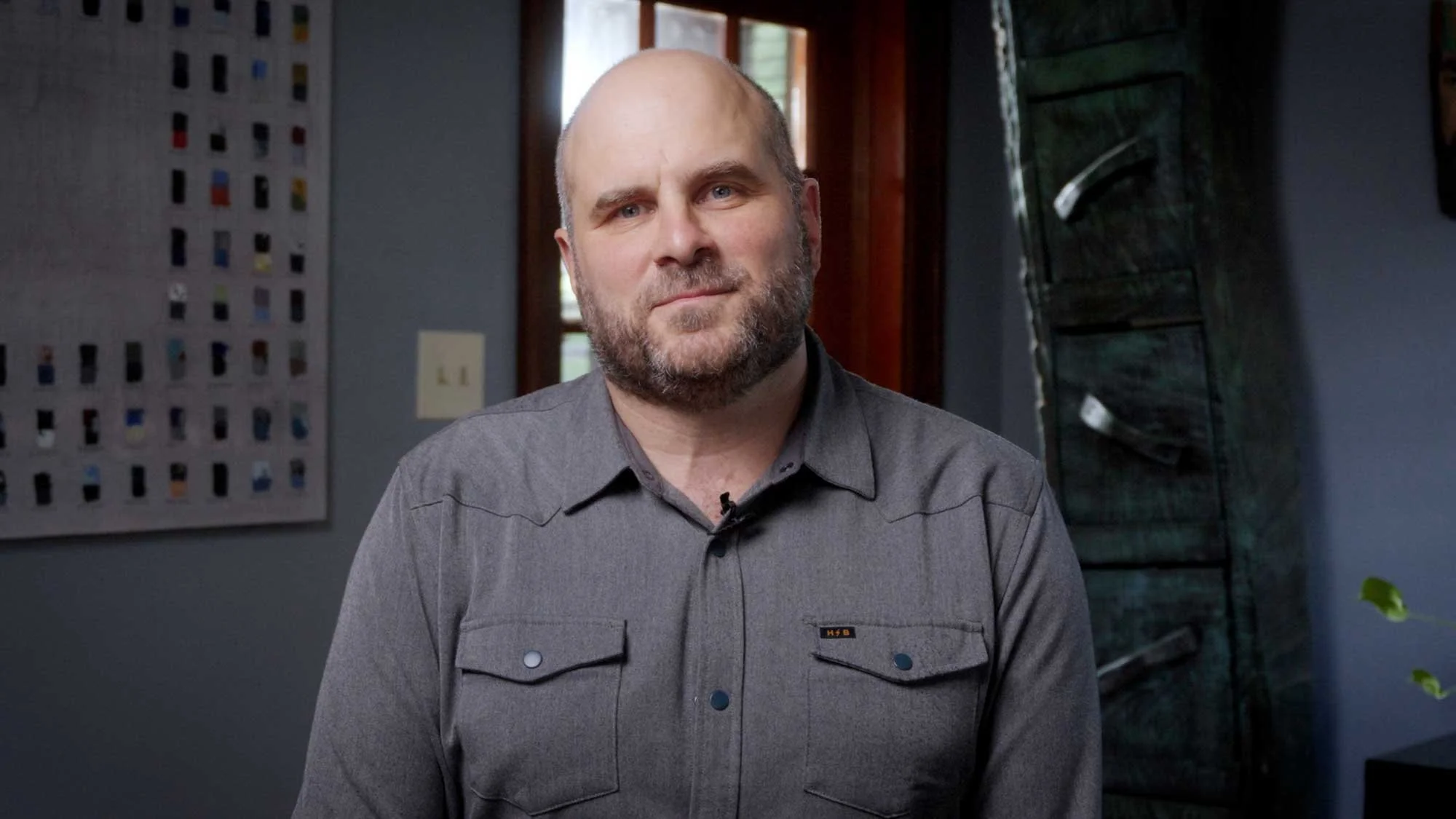
Good production value boosts credibility. Focus on sound, lighting, and a simple setting so the story stays front and center.
Which Equipment and Filming Techniques Ensure Authentic Testimonials?
The right kit and setup help customers come across clearly and naturally. Consider:
Camera and Audio Equipment: Use a reliable camera and a dedicated microphone; modern smartphones work well when paired with good audio.
Lighting Considerations: Soft, even lighting (natural or softboxes) flatters subjects and reduces post-production fixes.
Background and Setting: Choose a tidy, on-brand backdrop that supports the story without distracting from it.
These choices keep focus on the testimonial and raise perceived professionalism.
How Can Interview Techniques Improve Testimonial Authenticity?
The way you interview matters as much as the equipment. Try these approaches:
Creating a Comfortable Environment: Start with casual conversation and frame the purpose so interviewees relax.
Encouraging Natural Responses: Ask follow-up questions and avoid leading prompts to capture genuine answers.
Active Listening: React and probe for details — the best lines often come from sincere curiosity.
These techniques help you capture honest, memorable moments rather than rehearsed soundbites.
What Questions Help Elicit Persuasive Client Testimonials?

The most effective testimonial questions are framed with your target audience in mind, helping potential customers see themselves in the story being told.
Scripted answers often feel forced and inauthentic — and most viewers can sense it immediately.
Instead, ask open-ended questions that encourage customers to speak naturally and expand on their experiences in their own words.
Open-ended questions can’t be answered with a simple “yes” or “no,” which makes them far more useful in the edit. They give you richer stories, clearer context, and stronger soundbites to work with.
For example:
Closed question: “Did you enjoy working with us?”
Open-ended question: “Can you walk us through when we started working together and what that experience was like?”
Here’s a list of questions you can use when recording testimonial videos. Adapt them to the type of service you provide, and skip any that don’t apply to your business or the client’s experience.
Why did you reach out to us in the first place?
What problems were you trying to solve at that time?
What was your situation like before we started working together?
How did you find the experience of working with us?
What results have you achieved since working with us?
What does the future look like for you now?
What would you say to someone who’s on the fence about deciding to work with us?
These questions naturally guide clients through a problem → solution → result narrative, making it easier to capture authentic stories that resonate with potential customers and convert. They also encourage concrete examples and emotional detail that resonate with viewers.
Highlight the Transformation and Problems You Solved
Strong testimonial videos focus on transformation, not just praise. Emphasize the before-and-after change your client experienced to clearly demonstrate the value of your product or service.
Ask clients to describe where they were before working with you, what challenges they were facing, and what changed as a result.
Encourage them to share specific examples or measurable outcomes whenever possible — tangible results and real stories are far more persuasive than vague compliments.
Examples of concrete outcomes include increases in leads or revenue, social media growth, time saved, performance improvements, or even physical relief, depending on the service provided.
By highlighting transformation, you speak directly to your potential customer’s pain points.
When viewers recognize their own challenges reflected in someone else’s story — and see a clear, positive outcome — they’re far more likely to reach out and take action.
Create Testimonial Videos Within Your Budget
Working with a professional videographer or video production company can significantly improve production quality and save time, especially if you’re investing in video as a long-term marketing channel.
For businesses with the budget, professional production helps ensure consistent visuals, clean audio, and a smoother overall process.
That said, not every business is in a position to hire a production team right away — and that shouldn’t stop you from using testimonial videos.
Customer testimonials recorded with a phone or webcam can still have a meaningful impact on conversion rates when the message is authentic and the story is clear.
It’s better to feature a genuine testimonial with modest production quality than to have no testimonial at all.
As your business grows, you can always revisit and upgrade your testimonial content with higher-end production.
How to Edit and Enhance Testimonial Videos for Greater Engagement
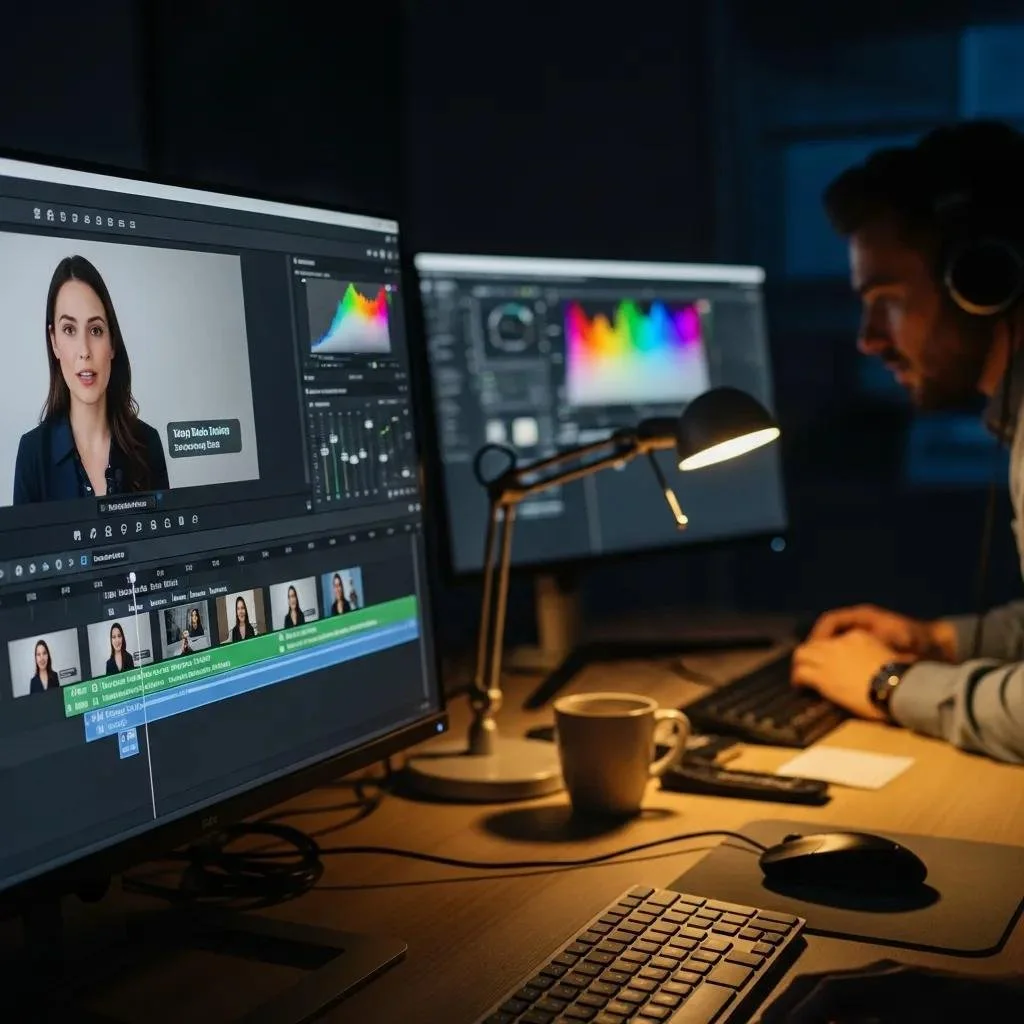
Editing turns raw footage into a clear, compelling narrative. Use cuts, B-roll, and pacing to highlight the story without overproducing it.
Building a Narrative: Arrange clips to show the problem, the solution, and the result — that arc gives viewers a clear takeaway.
Using Visuals Effectively: Add supporting visuals or product shots to illustrate claims and keep the video dynamic.
Keeping It Concise: Trim to the strongest moments; 1–3 minutes is usually enough to make the point.
These editing choices keep viewers engaged and make the message easier to act on.
How to Distribute and Promote Testimonial Videos Effectively
Production is only half the work — distribution determines whether your videos reach the right people. Tailor formats and placement to each channel for best results.
Which Channels Are Best for Sharing Business Video Testimonials?
Social Media Platforms: Post adapted cuts to the social media platforms where your target audience spends the most time. Focus on the high-ROI channels where your ideal client avatar is. It could be on either Facebook, Instagram, LinkedIn, Twitter, or YouTube.
Email Marketing Strategies: Embed or link to testimonial clips in nurture campaigns and sales outreach to build credibility.
Company Website and Landing Pages: Place testimonials on product pages and landing pages to increase conversions and time on page. Make sure you are already getting traffic to these pages.
Using multiple channels expands reach and reinforces the message at key touchpoints.
How Can You Integrate Testimonial Videos into Your Marketing Funnel?
Place testimonials strategically throughout the buyer journey to support decisions at each stage:
Using Video Testimonials in Advertising: Short testimonial clips work well in retargeting paid social media ads to build trust and move viewers further down your sales funnel.
Testimonials perform best when supported by a deliberate paid distribution strategy that repeatedly puts credible customer proof in front of the right prospects.Incorporating into Landing Pages: Use longer, detailed testimonials on conversion pages where prospects need more evidence.
Sharing in Sales Presentations: Play relevant testimonials during demos or sales meetings to back up claims with real experience.
When placed strategically across ads, landing pages, and sales conversations, testimonial videos can significantly improve conversion efficiency and overall return on investment.
When used thoughtfully, testimonials guide prospects from awareness to purchase.
Testimonial videos are particularly effective at addressing objections around price, risk, and uncertainty.
When customers explain how the value they received outweighed their initial hesitation, it reduces doubt and encourages action.
What Legal and Ethical Considerations Should You Know When Creating Testimonial Videos?
Respect and transparency are essential. Clear agreements and honest representation protect both your customers and your brand.
How Do You Obtain Consent and Protect Customer Privacy?
Follow straightforward practices to keep things aboveboard:
Consent Forms: Use written release forms that spell out where and how the footage will be used.
Privacy Considerations: Don’t share personal details without explicit permission; anonymize information when needed.
Right to Review: Offer interviewees a chance to review or approve the final cut when appropriate.
Simple, clear consent protects relationships and reduces legal risk.
What Are the Ethical Guidelines for Authentic Video Testimonials?
Maintain credibility by following ethical standards:
Transparency in Testimonials: Disclose any incentives or relationships that might influence a testimonial.
Avoiding Manipulation: Don’t edit statements to change their meaning or remove important context.
Honesty: Never fabricate or exaggerate customer experiences.
Ethical testimonials build long-term trust and preserve your brand’s reputation.
Frequently Asked Questions
What is the ideal length for a testimonial video?
Aim for 1–3 minutes. That window gives enough time for a clear story — problem, solution, result — without losing viewers. Use shorter edits for social ads and slightly longer versions for landing pages or sales presentations.
How can I measure the effectiveness of my video testimonials?
Track KPIs like views, watch time, engagement rate, and conversion rate. Pair these data with qualitative feedback from sales or customers to understand impact.
Can I use customer testimonials from social media in my videos?
Yes — but always get permission. Contact the original poster, obtain written consent to repurpose their content, and credit them appropriately. This protects privacy.
What are some common mistakes to avoid when creating testimonial videos?
Common missteps include poor audio, lack of a clear narrative, and an underprepared interviewer. Prepare questions in advance, and edit for a focused message rather than trying to include everything.
Working With the Right Video Production Company
At New Media Productions, we approach video as a marketing asset, not just a creative deliverable.
Our focus is on producing content designed to support real business objectives — from building trust and credibility to improving conversion performance and return on investment (ROI).
We offer video production services in Montreal, across Canada, and throughout North America, working with businesses that want customer stories and brand content aligned with clear marketing goals.
If you’re looking to create video testimonials or customer-focused content, working with an experienced production team can help you plan, film, and deliver content that’s structured to perform — not just look good.
If this sounds like something you’d want for your business, feel free to reach out and book a consultation to see how we can help.